
In Morocco, animal protection remains a sensitive issue. A recent press conference organized by Ms. Meryam Sabahi, President of the Social Organization for Animal Protection, brought together scientific, legal and activist perspectives, while highlighting the persistent silence of certain institutions in the face of animal violence. Civil society documents and raises alerts, yet key authorities remain absent.
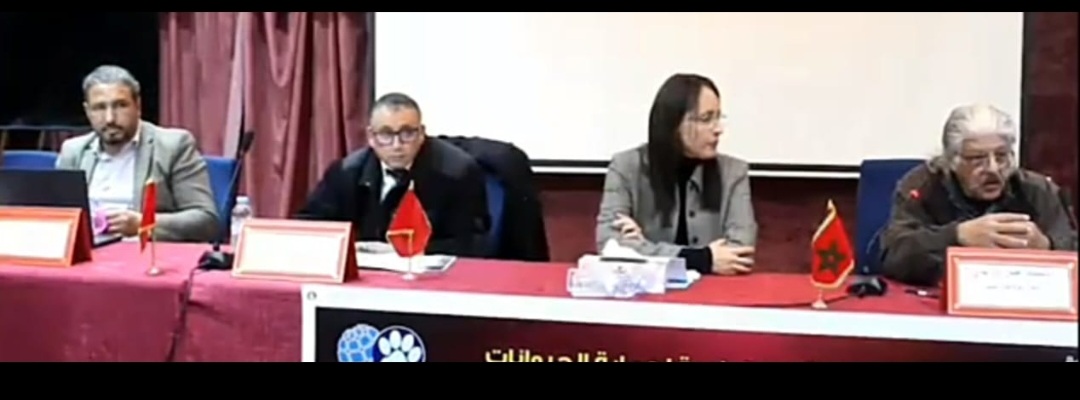
A conference dedicated to animal protection in Morocco was recently held, bringing together researchers, legal experts, activists and journalists. The event revealed a recurring observation: a gap between official discourse, the existing legal framework and the reality on the ground.
Dr. Zaki Hakima chaired the conference and ensured its smooth proceedings. The initiative was led by Ms. Meryam Sabahi, who sought to open a public debate on violence against animals and the responsibility of institutions.
Cross-disciplinary perspectives
The speakers offered complementary insights:
Professor Omar Zidi, ecologist, researcher and writer committed to a more humane and equitable world, emphasized the essential role of animals in ecosystem balance and broader environmental challenges.
Dr. Mohamed Allali, researcher in human rights, highlighted the social and psychological consequences of the normalization of violence, particularly its impact on children.
These analyses underscored that violence against animals is intrinsically linked to wider social and educational dynamics.
Institutional presence and absences
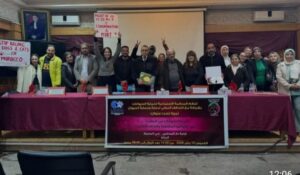
Mr. El Mustapha Aouane, representative of the Ministry of Health, recently appointed to this department, attended the conference and committed to conveying the concerns raised to the relevant authorities, who were absent from the event.
However, the Ministry of Interior, the National Office for Food Safety (ONSSA), and the National Order of Veterinarians of Morocco (ONVM) did not attend, despite their central role in the management of stray animals and their official invitation. No explanation was provided. Several speakers referred to killing methods regularly denounced by citizens, while authorities continue to deny their existence.
Conclusion
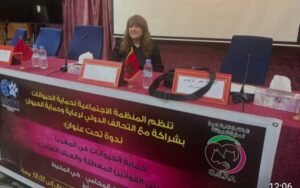
This conference highlights a persistent reality: civil society documents and raises awareness, while certain institutions remain silent. It also illustrates the growing role of researchers, legal experts and activists in shedding light on the ethical and social issues surrounding animal protection in Morocco.
Laila Daif
International Correspondent, France-Morocco
Human Rights Advocate
Animal Protection Activist
🇲🇦